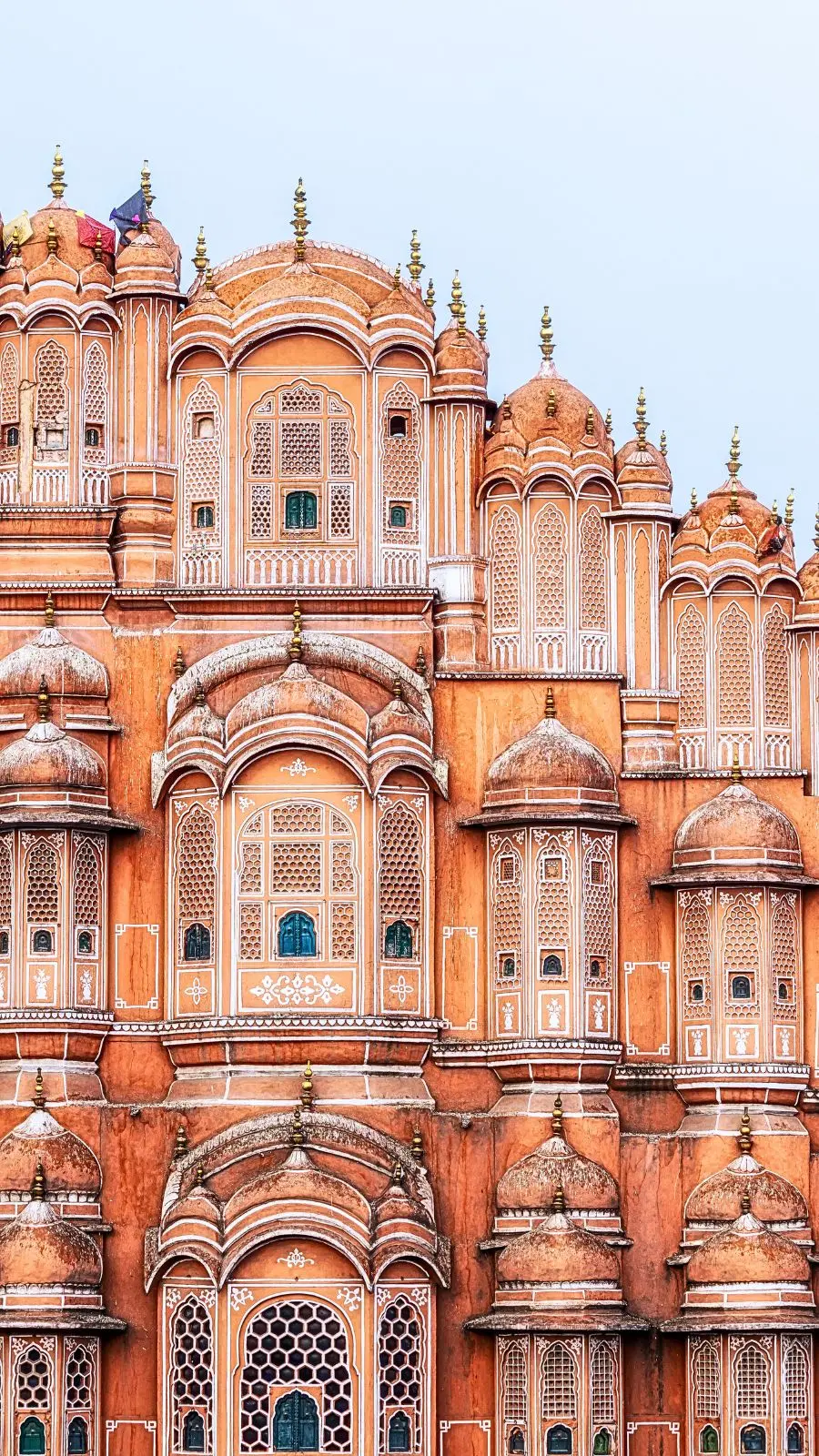
Jaipur · Rajasthan · India

The Pink City
Unravelled

Your Ultimate Insider's Guide to Jaipur's Heritage, Culture & Artisan Treasures

From the ochre ramparts of Amer Fort to the mirrored chambers of Hawa Mahal - Jaipur is not merely a city, it is a living canvas of five centuries of Rajput grandeur. This immersive guide illuminates every iconic monument, every flavour, every folk melody, and every thread that makes Jaipur one of the world's most extraordinary destinations for the discerning traveller.

"Every stone in Jaipur has a story. Every thread woven in its ancient karkhanas carries the memory of a dynasty. To truly understand this city, one must not only see its monuments - one must feel the silk beneath their fingers and hear the rhythm of the loom."

- Jaipur Carpet Studio, Est. 1987, Karbala, Jaipur
5th C.
Rajput Heritage
2.8M+
Annual Foreign Visitors
36+
UNESCO Recognised Sites
1000+
Artisan Families in Jaipur
UNESCO World Heritage City

The Monuments That Define a Dynasty

No destination on earth concentrates so much architectural brilliance in so compact a geography. Jaipur's forts, palaces, and observatories are not museum pieces - they are the living soul of a city that the Maharaja Sawai Jai Singh II dreamed into existence in 1727.

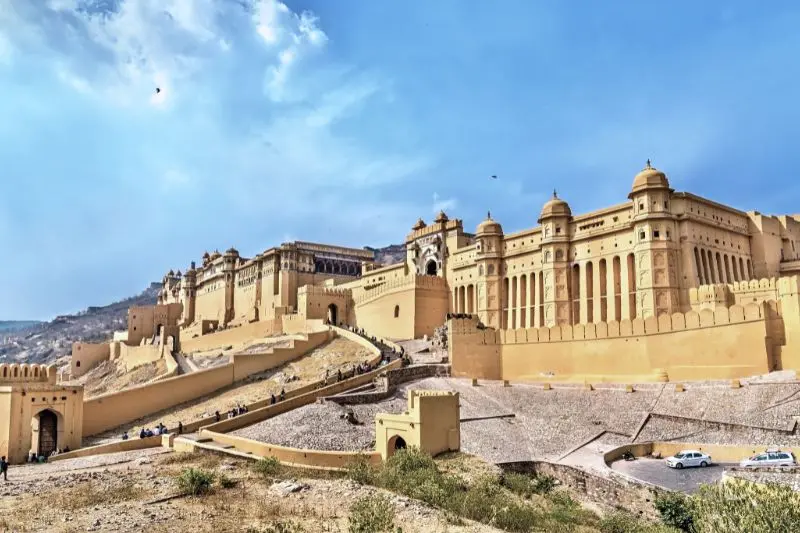
Amer Fort Jaipur aerial view at dawn — amber sandstone and white marble ramparts near handmade carpet showroom Karbala
16th Century
Fort
UNESCO World Heritage Site · 19.4 km from Jaipur Airport

Amer Fort - Rajputana's Crowning Glory

The most magnificent fort in all of Rajputana, Amer commands the ridge above Maota Lake with an authority that five centuries have only deepened.

Built by Raja Man Singh I in 1592 and expanded over 150 years, the fort is a layered conversation between amber stone and white marble. The Sheesh Mahal - the Mirror Palace - is particularly relevant to lovers of craft: its ceiling and walls are encrusted with thousands of tiny convex mirrors that fragment and multiply candlelight into a cosmos of stars. The same principle of patient, repeated artistry - tiny fragments assembled into transcendent beauty - is the very foundation of hand-knotted rug-making. Our showroom in Karbala sits perfectly on the tourist route between Jal Mahal and Amer Fort, making it the most natural and rewarding pause on your sightseeing itinerary.

Insider Tip for Travellers: The fort is most spectacular in the first two hours after sunrise. After your morning visit, stop at Jaipur Carpet Studio in Karbala - just minutes away - to cool down, explore our galleries, and witness live weaving before the afternoon heat sets in.

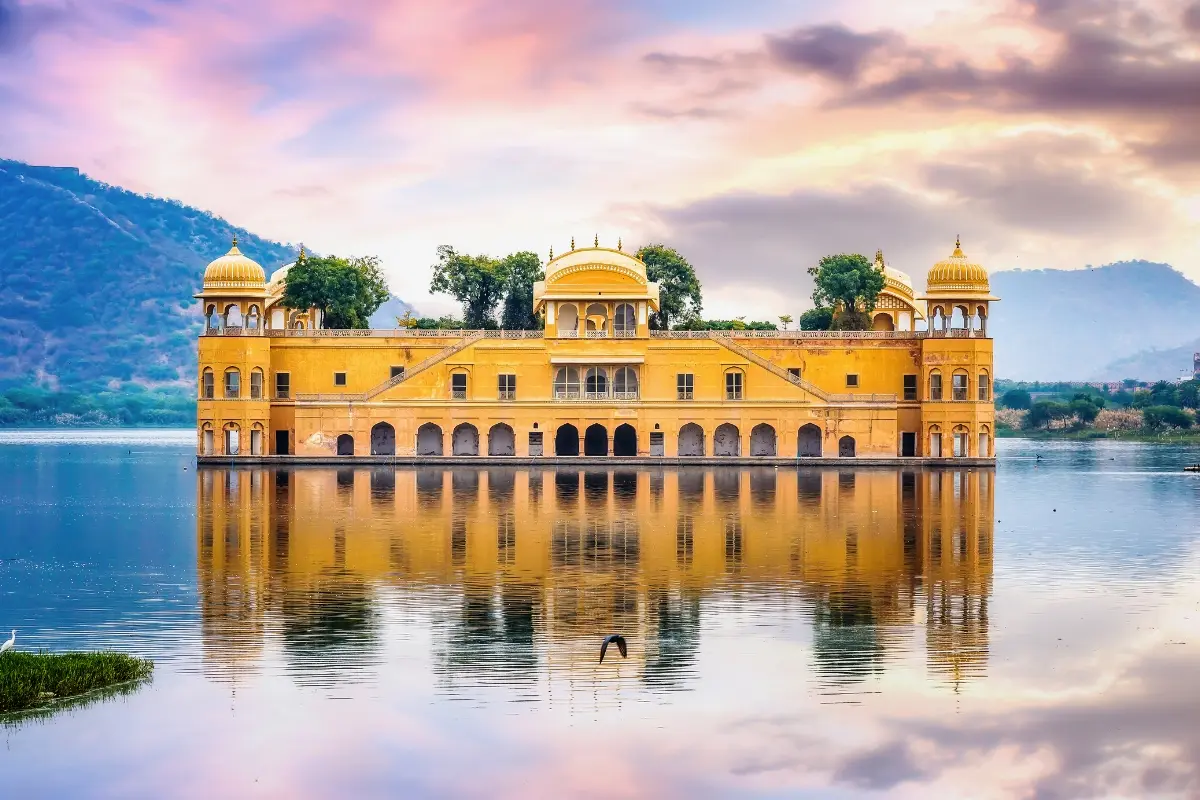
Jal Mahal Water Palace Jaipur floating on Man Sagar Lake at twilight with Aravalli Hills reflection — luxury tourism near Karbala showroom
The Water Palace · Man Sagar Lake

Jal Mahal - The Floating Dream

No image in Jaipur's portfolio is more hauntingly beautiful than the five-storeyed Jal Mahal appearing to float upon the surface of Man Sagar Lake.

Constructed in the 18th century as a hunting and pleasure lodge for the Maharajas, only one of its five storeys remains visible above water - the four below are submerged. The palace's reflection shimmers across the lake at golden hour, creating a perfect, symmetrical world. The road connecting Jal Mahal to Amer Fort passes directly through the Karbala area - making Jaipur Carpet Studio a landmark on one of the most-travelled tourist corridors in all of India.

Every visitor driving between these two icons passes our showroom door. We invite you to step inside, rest in our air-conditioned gallery, and let our master weavers tell you stories that no tour guide knows.

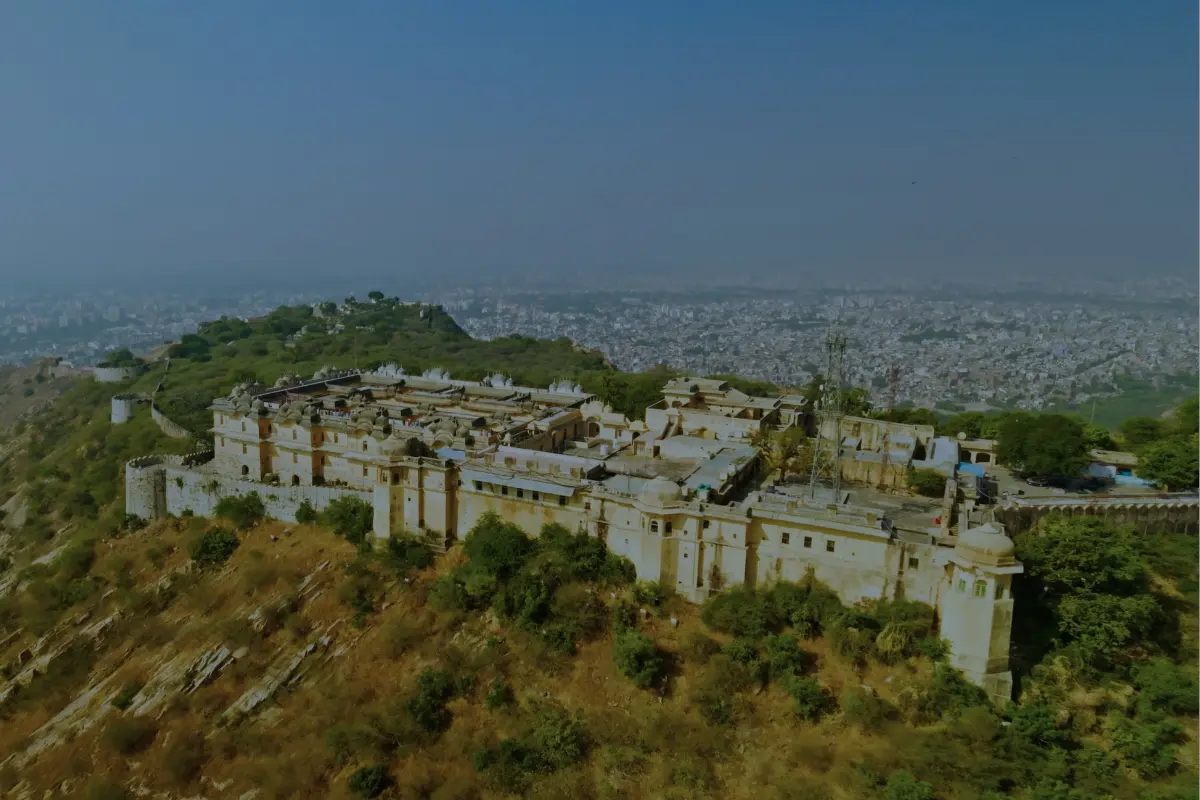
Nahargarh Fort Jaipur hilltop panoramic view over the Pink City — sunset from Tiger Fort Rajasthan sightseeing guide
Tiger Fort · 1734 AD

Nahargarh Fort

Perched on the craggy Aravalli ridge overlooking the entire Pink City, Nahargarh - "Abode of Tigers" - offers the most breathtaking 360° panorama in Rajasthan. Built by Sawai Jai Singh II as a retreat and symbol of dominance, the fort's Madhavendra Bhawan contains nine identical suites for nine queens, each connected by a corridor so the Maharaja could visit without causing jealousy. A witty piece of royal architecture - and a perfect vantage point to understand why Jaipur's planned geometry below directly influenced the precision geometry of its carpet patterns.

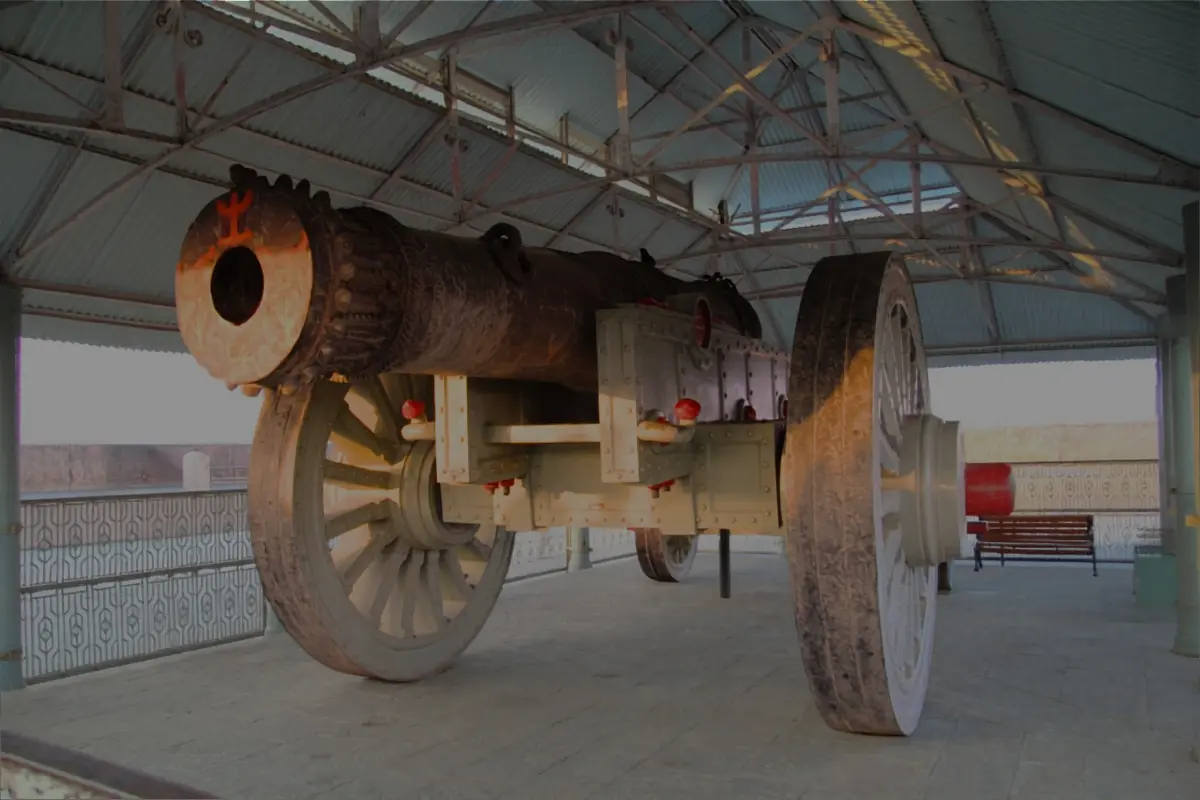
Jaigarh Fort Jaipur cannon Jaivana world's largest wheeled cannon on wheels — UNESCO heritage site Rajasthan
Jaivana Cannon Fort · 1726 AD

Jaigarh Fort

Directly connected to Amer Fort by an underground passage, Jaigarh houses the Jaivana - the world's largest wheeled cannon, capable of firing a ball over 35 kilometres. The fort's interior contains an arms factory, granaries, and a colossal stepwell that supplied water to the entire garrison for decades. Jaigarh represents the same philosophy as a great hand-knotted carpet: engineered for permanence, built with obsessive attention to structural detail, designed to be inherited across generations.

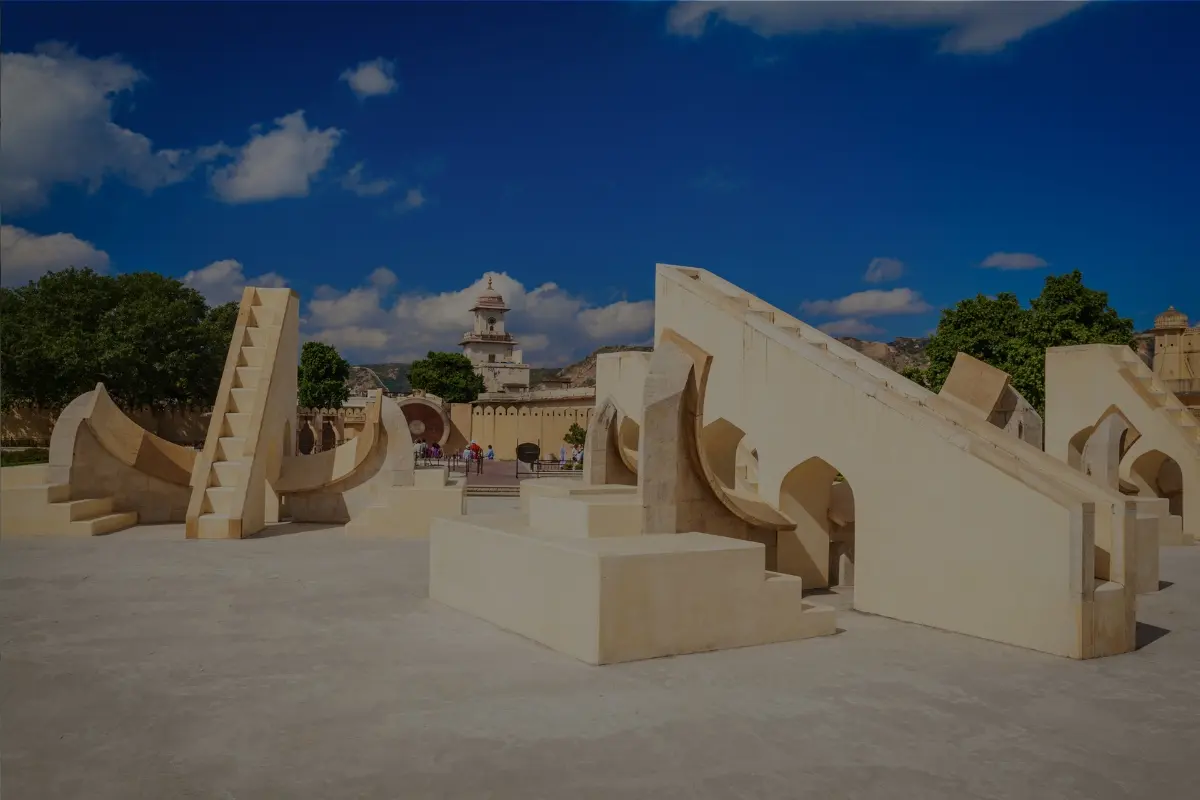
Jantar Mantar UNESCO observatory Jaipur Samrat Yantra giant sundial — astronomical instruments 18th century Maharaja Jai Singh
UNESCO World Heritage Site · 1734 AD

Jantar Mantar - Jaipur's Observatory

The largest stone observatory in the world, containing 19 monumental astronomical instruments that can measure time, predict eclipses, and track stars with naked-eye precision. The Samrat Yantra sundial is accurate to within two seconds. Maharaja Jai Singh II - astronomer, mathematician, and city planner - brought the same mathematical rigour to Jaipur's grid layout that you will find in the precise knot-count geometry of a master-woven carpet.

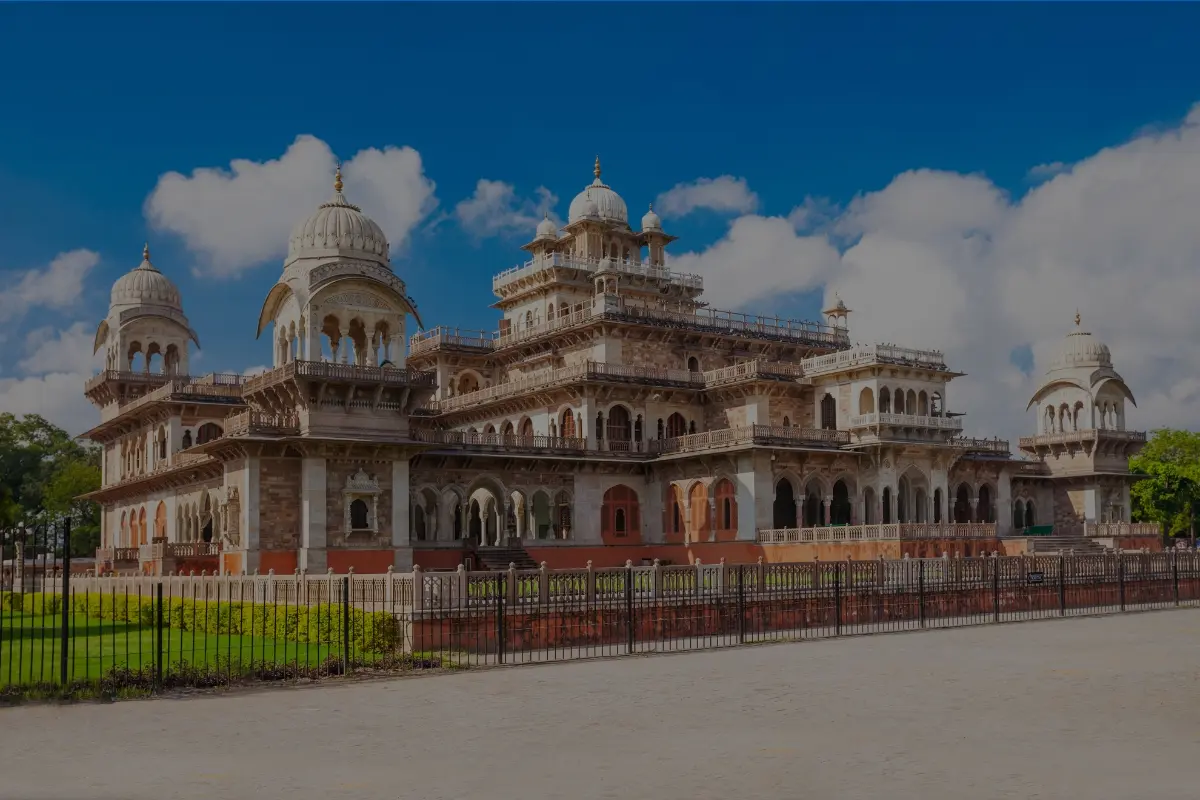
Albert Hall Museum Jaipur Indo-Saracenic architecture exterior at night illuminated — Central Museum Rajasthan art collection
Central Museum · 1887 AD

Albert Hall Museum

Jaipur's oldest museum, a masterpiece of Indo-Saracenic architecture, houses an extraordinary collection of Mughal-era carpets, Egyptian mummies, tribal jewellery, and miniature paintings. The carpet gallery alone justifies the visit — it contextualises the living tradition we carry forward at Jaipur Carpet Studio, where every rug we produce could one day be considered a museum artefact of our era.

Rajasthani Culture & Lifestyle

Colour, Flavour & the Living Arts

Jaipur's soul lives not only in stone but in saffron-scented kitchens, in the swirl of a ghaghra on a dancer's ankle, in the disciplined hands of a block-printer, and in the brilliant hues of its textiles - the very lineage from which our carpets descend.

A Cuisine of Royalty & Spice

The Royal Table of Rajasthan

Born from the constraints of a desert kingdom - where water was scarce and military campaigns were long - Rajasthani cuisine developed an extraordinary ingenuity. Dishes were designed to last for days without refrigeration, cooked in clarified butter, scented with dried desert herbs, and enlivened with spice blends developed over centuries. The result is a cuisine of extraordinary depth: simultaneously austere and lavish, humble in origin yet fit for a Maharaja's table.

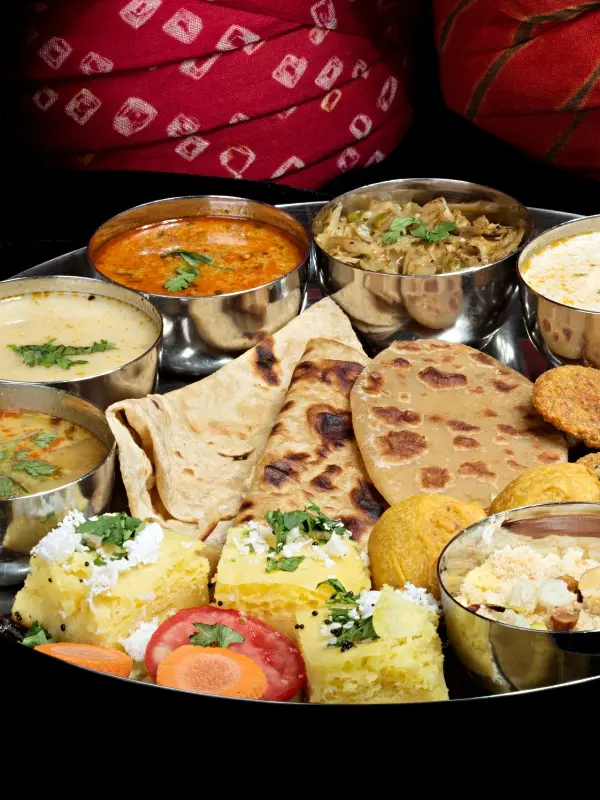
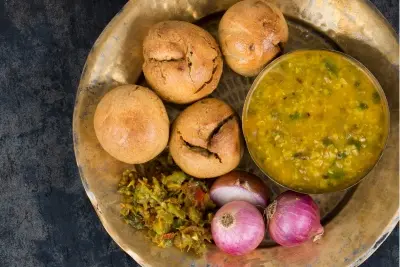
The legendary Dal Baati Churma - baked wheat dumplings smothered in five-lentil broth and crumbled sweet churma - is perhaps the most iconic dish in all of Indian cuisine. Laal Maas, a fierce slow-cooked mutton curry made with Mathania red chillies, is a dish that foreign visitors universally describe as life-changing. After an afternoon of sightseeing, ask any local rickshaw driver for the nearest dhaba serving authentic Rajasthani thali - it will cost you less than a cup of coffee in London and taste like a dream.

Authentic Rajasthani Dal Baati Churma traditional thali plate - must-eat food Jaipur tourism guide for foreign visitors
Dal Baati Churma authentic Rajasthani dish Jaipur - traditional food travel guide

Dal Baati Churma

The soul of Rajasthani cooking — fire-baked wheat balls, five-lentil dal, and crumbled sweet churma in one magnificent plate.

Laal Maas spicy Rajasthani mutton curry red chilli Mathania - authentic local food Jaipur for tourists

Laal Maas

Slow-cooked mutton in a volcanic sauce of Mathania red chillies, yoghurt, and aromatic spices. Fiery, complex, unforgettable.

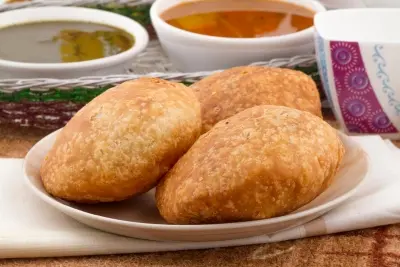
Pyaaz Kachori crispy onion pastry Rawat Misthan Bhandar Jaipur - best street food Pink City

Pyaaz Kachori

A flaky, deep-fried pastry shell encasing a spiced onion filling — Jaipur's signature breakfast, best enjoyed at Rawat Misthan Bhandar.

Ghewar traditional Rajasthani sweet dessert honeycomb disc - authentic Jaipur sweets mithai

Ghewar

A disc-shaped sweet made from a lattice of deep-fried batter, soaked in sugar syrup and crowned with malai, rabri, or saffron.

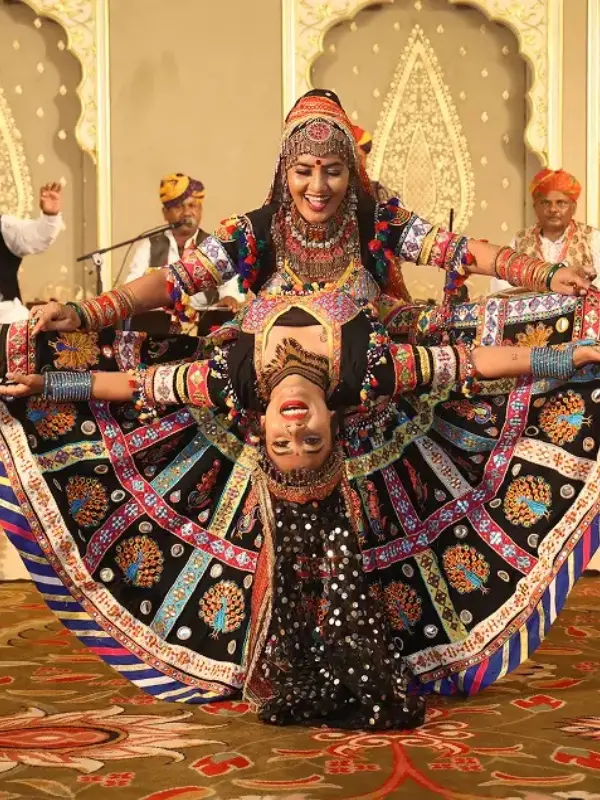
Rajasthani Kalbelia folk dance performance colourful ghaghra skirt Jaipur cultural show - traditional dance Rajasthan for tourists
Performing & Visual Arts

Dance, Music & the Living Traditions

Rajasthan is perhaps India's greatest repository of living folk arts — traditions that have survived centuries of change not through museum preservation but because they remain genuinely, joyfully alive. An evening watching the Ghoomar in a Haveliperiod courtyard, or listening to a Langas musician play the sarangi in the old city, is not a tourist performance: it is the real thing.

The Ghoomar - performed exclusively by women in voluminous ghaghra skirts that create a perfect circle as they spin - is Rajasthan's most iconic dance form. The Kalbelia, inscribed on the UNESCO Intangible Cultural Heritage list, is a serpentine, hypnotic performance by the Kalbelia community. The Kalbeliya-inspired S-curve motif appears in many of our hand-knotted rugs' border patterns - a direct visual lineage between dance and textile.

Ghoomar Dance

The quintessential Rajput court dance, performed by women in mirror-worked ghaghra skirts that billow into celestial spirals. Ghoomar is now performed at UNESCO cultural events worldwide.

Manganiyar & Langa Music

Hereditary Muslim musician communities who have been the custodians of Rajasthani classical folk music for centuries, playing kamaycha, sarangi, khartal, and morchang.

Kalbelia (UNESCO Heritage)

Sinuous, serpentine dance performed by the Kalbelia snake-charmer community - sensuous, athletic, and utterly mesmerising. Listed by UNESCO as Intangible Cultural Heritage in 2010.

Kathputli Puppetry

The ancient art of string puppetry, with characters dressed in exquisite miniature versions of royal Rajasthani attire. Jaipur's Kathputli colony is the world capital of this art form.

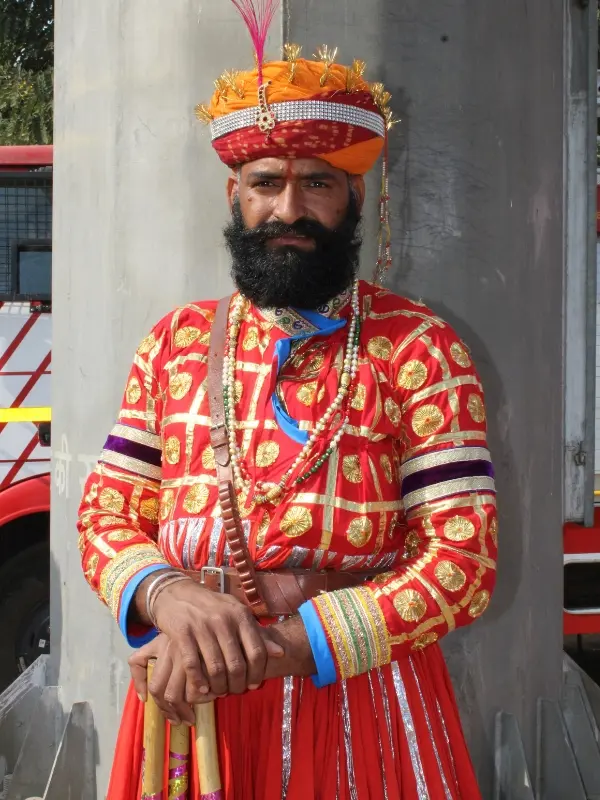
Rajasthani traditional textiles safa turban cloth authentic handicrafts
Rajput & Mughal Textile Legacy

The Threads That Tell History

Rajasthan has been a powerhouse of textile production since the 12th century - its weavers, dyers, and block-printers supplying the court of the Mughals and later the British Raj. The discipline of weaving and the discipline of carpet-making share the same DNA.

  • Safas & Pagris (Turbans) The sacred crown of Rajasthani identity. Each region, caste, and occasion demands a specific tie, colour, and fabric. Jodhpuri safas are royal blue; Jaipuri safas flame saffron. The folding of a safa is itself a high art, learned over years. The same pride in wrapping, structure, and colour informs the way our rugs are designed and finished.
  • Lehenga-Choli & Ghaghra The full-skirted ghaghra - embroidered with mirrors, shells, and zardozi thread - is one of the most spectacular garments in the world. A single wedding ghaghra may contain 10,000 mirror-work pieces and take three months to embroider. Our artisans bring the same patience to the carpets they create.
  • Bagru & Sanganer Block Printing Two towns flanking Jaipur - Bagru and Sanganer - produce the world's finest hand block-printed textiles. Carved wooden blocks, vegetable dyes, and a process unchanged since the 17th century create fabrics of extraordinary depth and individuality. Many of our flat-weave rug patterns are directly inspired by these print traditions.
  • Bandhani Tie-Dye A technique of tying thousands of tiny pinches of cloth with thread before dyeing, creating explosion-like patterns of dots and circles. The finest Bandhani fabrics - with 50,000+ tie points per metre - are indistinguishable from woven patterns at a glance.

Blue Pottery of Jaipur

A UNESCO-protected craft - turquoise and cobalt glazed pottery made with quartz, not clay - developed in Jaipur under Persian influence. Every visitor takes a piece home. Find the finest work in the old city's potter quarter.

Gemstone Cutting & Jewellery

Jaipur is the world capital of coloured gemstone cutting. Over 90% of the world's emeralds pass through Jaipur. The city's jewellers - particularly in Johari Bazaar - create pieces that rival any on earth for craftsmanship and value.

Stepwells (Baoris)

Jaipur's invisible wonders - ancient stepwells descending into the earth in spiralling geometric patterns. Panna Meena ka Kund near Amer Fort is an architectural masterpiece of inverted pyramids and perfect symmetry. Free entry, almost no tourists.

Miniature Paintings

The Jaipur-Amber school of miniature painting is renowned for its intricate detail, vivid mineral pigments, and scenes of royal life, hunting, and mythology. A single painting may contain 2,000 individual brush strokes no wider than a single hair.

Handmade Carpets & Rugs

The crown jewel of Jaipur's craft heritage. Hand-knotted in karkhanas that have operated for generations, these are not souvenirs - they are heirloom investments that appreciate in value, carry the energy of their makers, and beautify any home on earth. Visit us at Karbala.

Elephant & Camel Safari

The royal approach to Amer Fort is by elephant - a tradition maintained for centuries. For a more sustainable modern experience, the Elephant Conservation Centre on the Amer road offers close ethical encounters with these magnificent animals.

Jaipur Carpet Studio - The Collection

Four Traditions. One Standard of Excellence.

Our karkhana in Karbala, Jaipur has been producing handmade rugs for over three decades. Every piece is created by artisans trained in lineages stretching back generations, using natural fibres, vegetable-derived dyes, and techniques documented in Mughal-era manuscripts. Each rug is a unique object - never repeated, never mass-produced, always authentic.

Master artisan hand-knotting traditional Persian-style wool rug in Jaipur workshop - authentic handmade carpet India heirloom quality
The Crown Jewel of Our Collection

Hand-Knotted Rugs

The ultimate heirloom - a rug that outlives its maker and gains beauty with every passing decade.

A hand-knotted rug is not manufactured - it is grown. Each knot is tied individually by the weaver's fingers at precisely the right tension, at precisely the right place in the pile, in precisely the right colour. A single square foot of 200-knot-per-inch carpet may contain over 28,000 individual knots, each tied by hand. A large 9×12 foot rug at this density requires over three million knots - and up to eighteen months of continuous work by a team of master weavers. The result is an object of extraordinary structural integrity, tactile richness, and visual depth that no machine can replicate.

100–400
Knots per sq. inch
100+ yrs
Lifespan (if cared for)
Wool/Silk
Natural fibres only
6–18 mo.
Avg. production time
See Live Weaving in Our Karkhana →
Inside the Karkhana

The Seven Stages of a Hand-Knotted Masterpiece

From the first sketch to the final washing, every stage of our rug-making is done by human hands in our Karbala workshop. No step is skipped. No shortcut is taken. When you buy from Jaipur Carpet Studio, you are investing in this process.

Stage 01

Design & Talim (Weaving Code)

The master designer creates a graph-paper cartoon of the pattern. This is converted into a Talim - a coded notation system unique to carpet-making - which the weavers read like sheet music, knot by knot.

Stage 02

Wool Selection & Spinning

Only premium New Zealand or hand-combed Rajasthani wool is selected. Fibres are sorted, combed, and hand-spun to exact thickness on traditional charkha wheels.

Stage 03

Natural Dyeing

Yarns are dyed in open copper vessels using pomegranate rinds, indigo leaves, madder root, and saffron. Mordants fix the colour permanently. Natural dyes mellow and deepen over decades - they never fade, they evolve.

Stage 04

Warping the Loom

Cotton or silk warp threads are stretched on the vertical loom at precise tension. The warp is the invisible architecture of the rug - its skeleton. A misaligned warp ruins everything.

Stage 05

Hand-Knotting

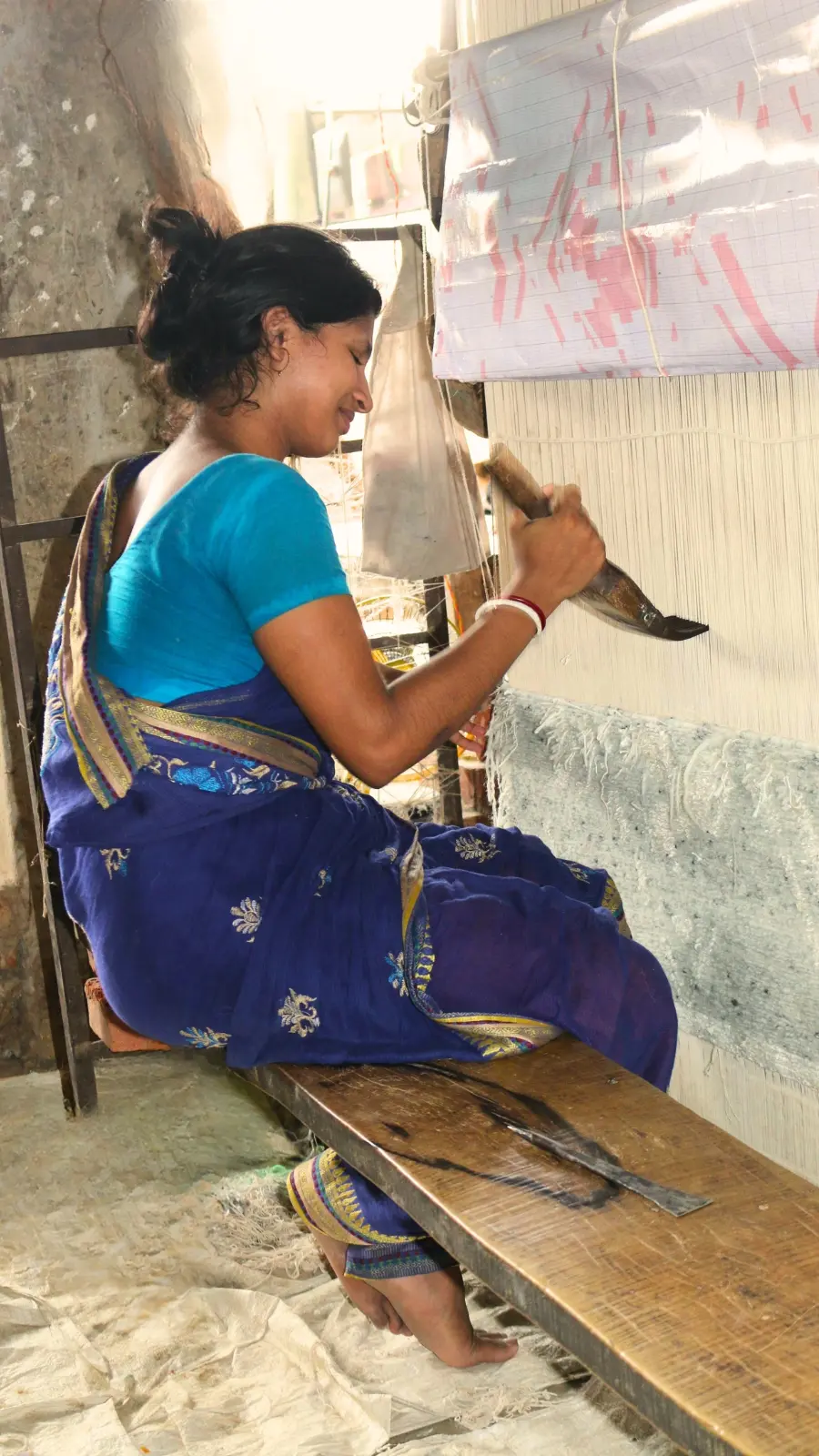
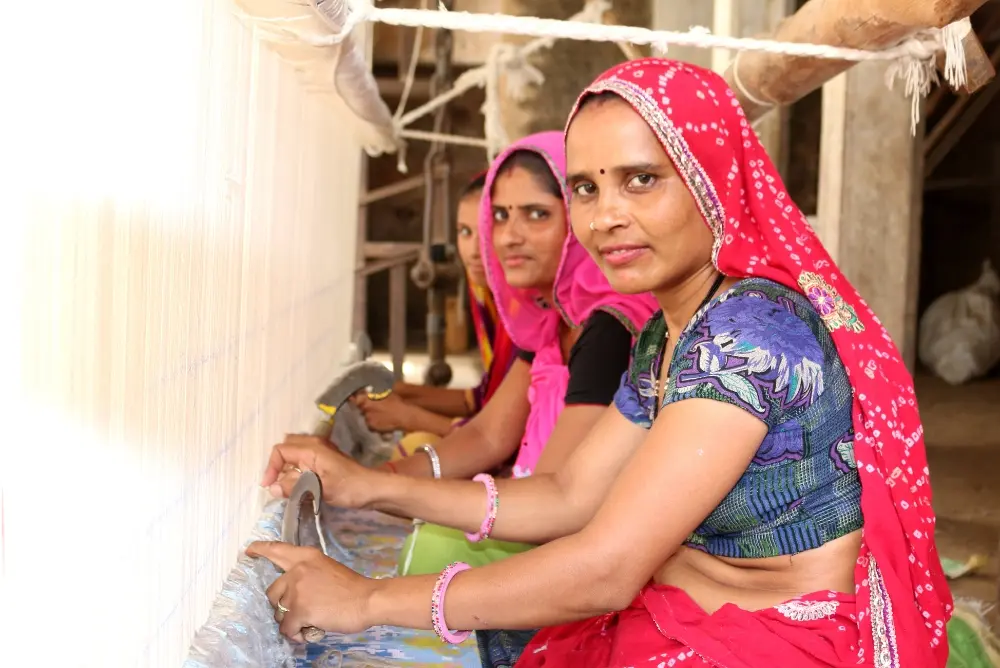
Weavers sit at the loom and tie each individual knot using the Persian (Senneh) or Turkish (Ghiordes) technique. A master weaver ties 8,000–12,000 knots per day. The Talim is chanted aloud like a mantra.

Stage 06

Clipping, Washing & Stretching

The finished pile is clipped to uniform height, then the rug is washed with river water and natural soap, stretched on frames in the sun to dry in perfect shape. This is called the "finishing" - it opens the colours and softens the pile.

Stage 07

Quality Inspection & Export

Every rug is inspected for knot uniformity, colour consistency, and dimensional accuracy. Only then does it receive our maker's mark. We handle all international shipping, documentation, and customs - delivered to your door worldwide.

Jaipur carpet weaver artisan working at traditional loom tying knots - handmade rug workshop Karbala authentic craft demonstration
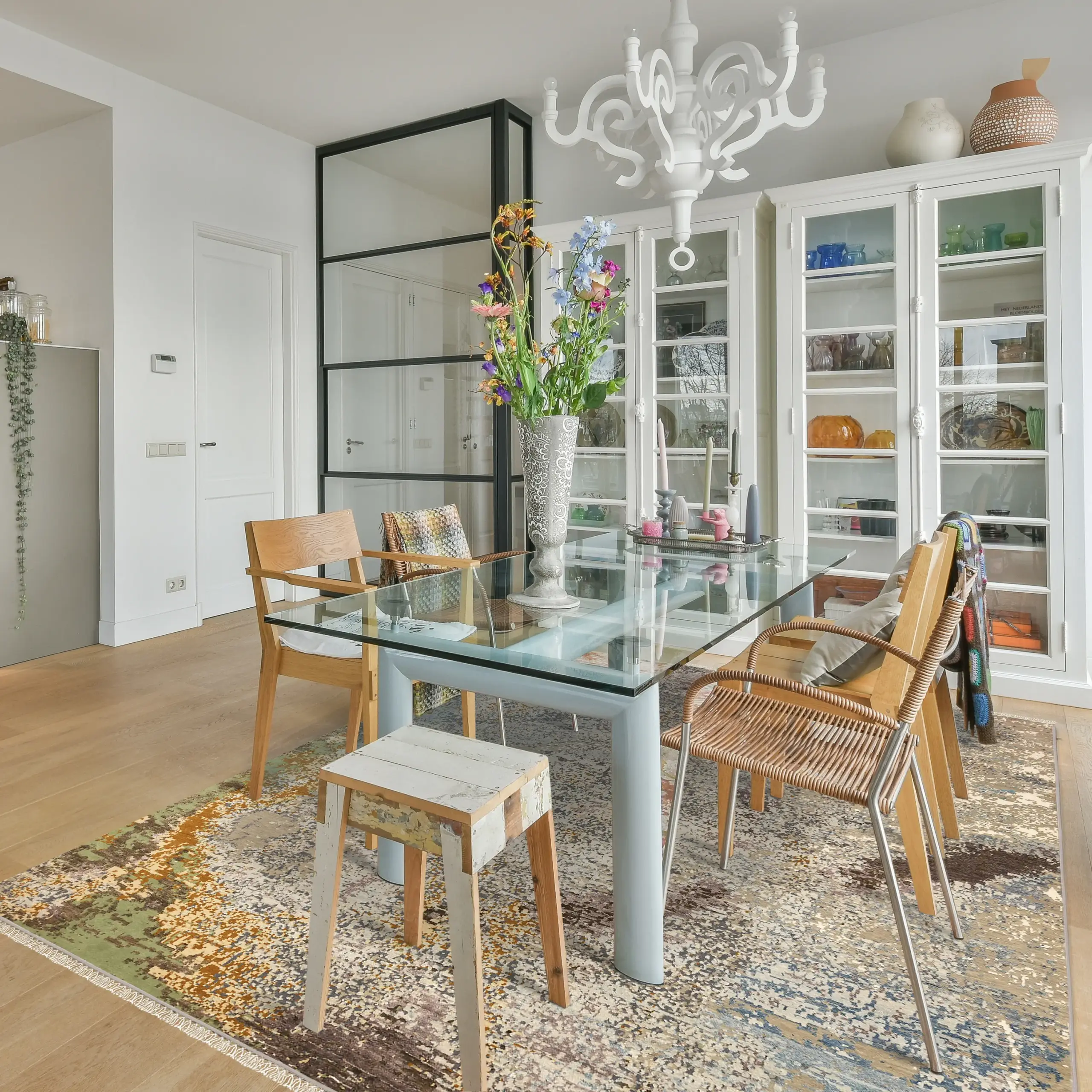
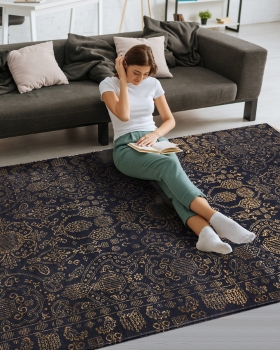
Traditional handmade carpet Jaipur Rajasthan — floral medallion design wool pile authentic Indian carpet for sale export Traditional Collection
The Traditional Touch

Handmade Carpets

Our handmade carpet collection preserves patterns that have been woven in Jaipur for four centuries: the Persian medallion, the Herati fish pattern, the running vine border, the boteh (paisley) motif that gave Europe the word "paisley." These are not reproductions - they are living continuations, woven by artisans who learned from their grandparents who learned from theirs.

Available in pure wool, wool-on-cotton foundation, and wool-on-silk foundation. Custom sizes, colours, and patterns are our speciality. Every carpet is hand-washed and sun-dried before shipping.

Pure Wool Pile Vegetable Dyes Custom Sizing 100+ Classic Designs
See This Collection →
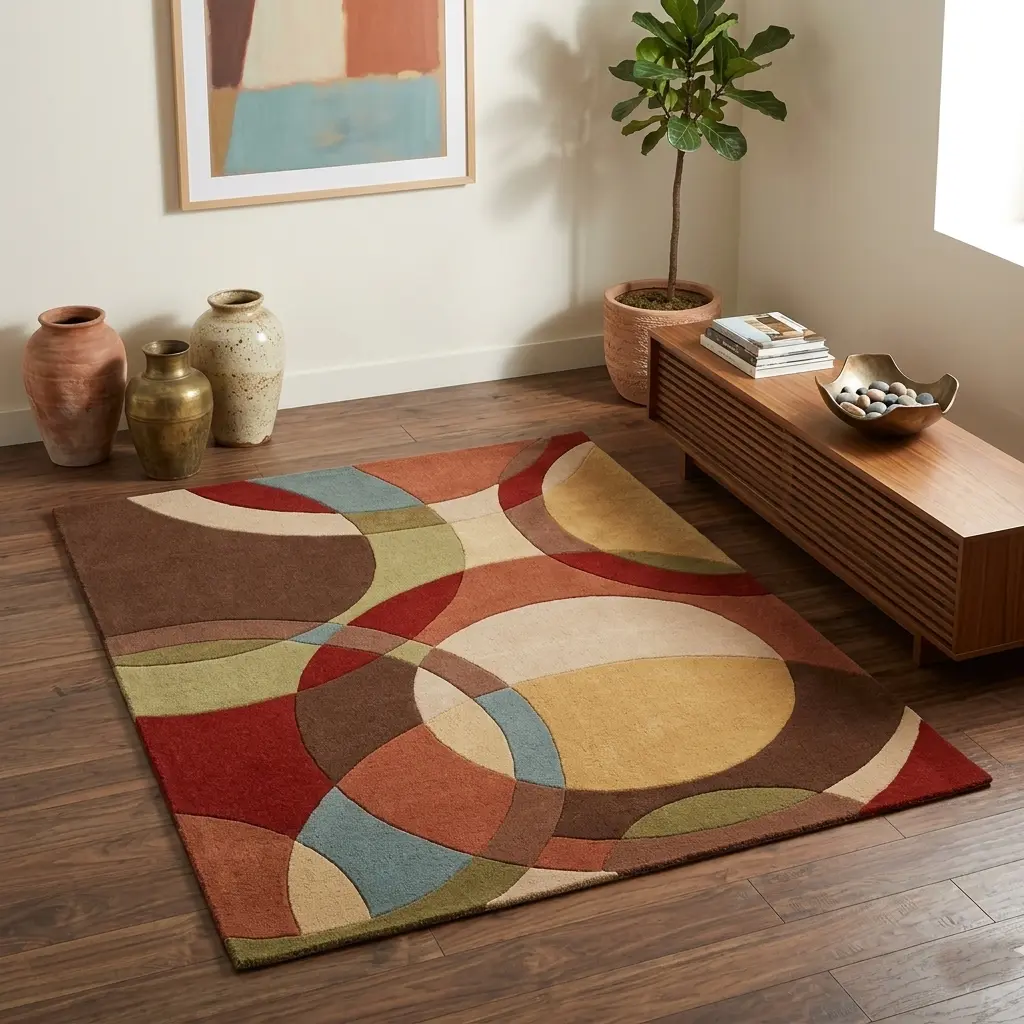
Hand-tufted luxury rug geometric modern design Jaipur - contemporary handmade rug India for luxury homes interior design Modern Luxury
Contemporary Artisan Craft

Hand-Tufted Rugs

Hand-tufting is a modern technique in which the artisan uses a hand-held tufting tool - like a pneumatic needle - to punch loops of yarn through a stretched canvas, row by row, following the design. The back is then finished with a foundation layer. The result is a rug of thick, plush pile with extraordinary colour fidelity and design complexity - created faster than a knotted rug, but still entirely handmade.

Ideal for clients who want the authenticity of handmade production with bold, contemporary design sensibilities: abstract geometrics, high-contrast colour play, oversized organic shapes. Perfect for modern interiors, hospitality projects, and anyone seeking the look of luxury without a year-long wait.

Plush Deep Pile Contemporary Designs Quick Lead Times Hospitality Grade
See This Collection →
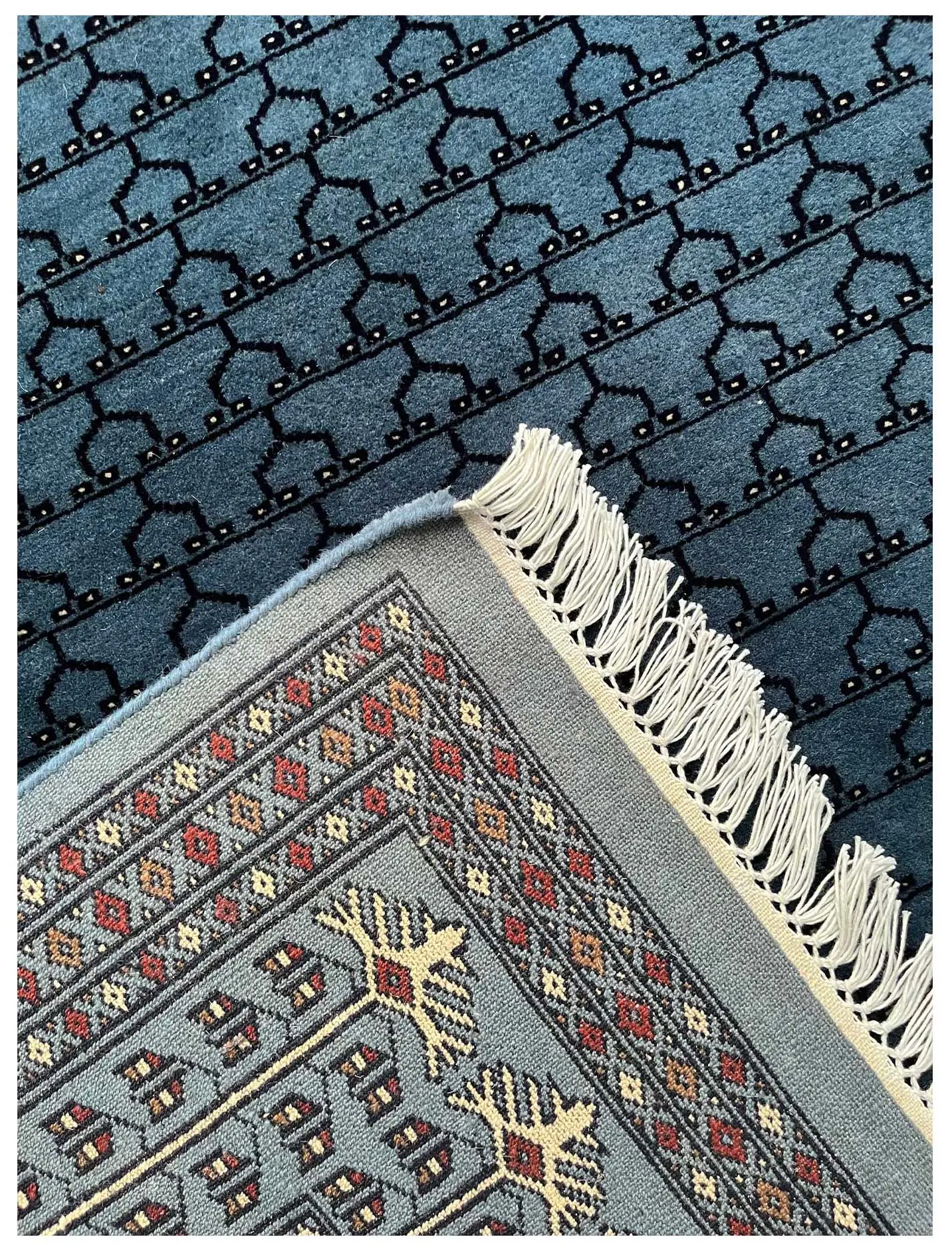
Flat weave dhurrie rug cotton wool geometric stripes Jaipur India - traditional Indian kilim style floor covering lightweight Lightweight Elegance
The Ancient Woven Floor Cloth

Flat Weave & Dhurries

The dhurrie is perhaps India's oldest woven object - a flat, pileless floor covering woven on simple pit looms by village women across Rajasthan for millennia. Prison dhurries from the colonial era - woven by inmates in geometric patterns that communicated secret messages - became one of the most collected categories in textile history. Today, the dhurrie has been elevated into high design: a flat-weave rug of wool, cotton, jute, or blended fibres, with graphic pattern-making that rivals any contemporary artwork.

Dhurries are uniquely practical: reversible for twice the life, lightweight for easy transport, machine-washable in many cases, and - crucially - ideal for warm climates and underfloor heating systems. Our collection ranges from traditional Rajasthani geometric striped dhurries to bold, monochromatic minimal designs suited to the most modern interiors.

Reversible Cotton & Wool Travel-Friendly Underfloor Heat Safe Traditional & Modern Designs
See This Collection →
You're Already on Our Street

The Showroom at Karbala - Where Jaipur's Most Beautiful Rugs Live

Nestled on the legendary tourist corridor between Jal Mahal and Amer Fort, our Karbala showroom is not a shop - it is an experience.

Step off the hot Amer Road and into a world of colour, craft, and cool air. Our galleries span two floors and display over 800 unique handmade rugs - from pocket-sized prayer mats to palatial room-sized masterworks. Our weavers work on-site in our glass-fronted karkhana, so you can watch a rug being born in real time, ask questions, and understand exactly what makes a great rug great.

There is no obligation to buy. There is no pressure. There is only beauty, craft, and a warm cup of masala chai.

Live Artisan Weaving Demonstrations Watch master weavers at the loom. Ask any question. Take photographs. Learn the language of knots.
800+ Unique Rugs Across Two Gallery Floors Hand-knotted, hand-tufted, flat-weave, and silk - in every size, colour, and price range.
Custom Orders - Your Design, Our Craft Bring your interior design brief. We will create a rug to your exact specifications, shipped to your home.
Worldwide Shipping & Export Documentation Handled No airport stress. We pack, ship, and deliver - your rug arrives safely at your door, anywhere on earth.
Complimentary Masala Chai & Air-Conditioned Comfort Take a breath. Escape the Jaipur heat. You earned a rest - and we have the best chai in Karbala.
Voices from Around the World

What Our Guests Say

★★★★★

We were on our way back from Amer Fort when our driver suggested stopping here. Within an hour we had chosen a magnificent 8×10 hand-knotted rug in traditional Herati pattern. They arranged shipping to our home in London without any fuss - it arrived beautifully packed two weeks later. It is, without question, the finest thing in our house.

★★★★★

As an interior designer, I have sourced rugs from dealers in Tehran, Istanbul, and New York. Jaipur Carpet Studio is on a par with any of them - but the experience of choosing a rug while watching artisans weave in the same building is something you cannot get anywhere else. I have placed three orders since my visit and the quality has been absolutely consistent.

★★★★★

My wife and I visited during our honeymoon in Rajasthan. The team showed us the entire weaving process - we even tied a few knots ourselves! We commissioned a custom dhurrie in our wedding colours. It arrived in New York before we did. Every time we look at it, we're back in Jaipur. Truly a treasure.

One Visit. A Lifetime of Beauty.

You Came to Jaipur for Experiences.
Leave with the Most Beautiful One.

A handmade rug from Jaipur Carpet Studio is not a souvenir - it is a living document of one of the world's greatest craft traditions, made by the hands of master artisans in the very city you are standing in. Visit us today at our Karbala showroom. We will welcome you with chai, walk you through our galleries, and help you find the rug that was always meant to be yours.

Open Daily 10AM – 7PM · Karbala Area, Jaipur · +91 98293 65636 · Free Entry · No Obligation · Worldwide Shipping